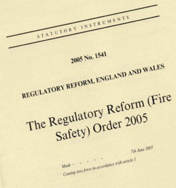
- FRR
- HMO (Houses of Multiple Occupancy)
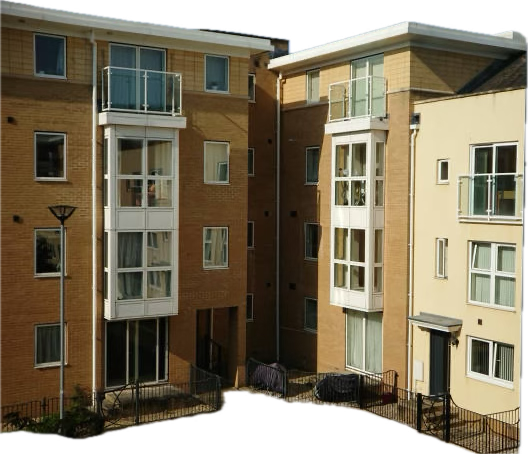
HMO (Houses of Multiple Occupancy)
Residential properties with multiple tenants
Fire Risk Assessment Requirements for HMOs
Houses of Multiple Occupancy (HMOs) have specific fire safety requirements due to the higher risk associated with multiple tenants living in one property.
What You Need to Know
- Fire Risk Assessment: A comprehensive fire risk assessment is legally required for all HMOs under the Regulatory Reform (Fire Safety) Order 2005.
- Fire Detection Systems: You must install and maintain appropriate fire detection and alarm systems throughout the property.
- Emergency Escape Routes: Clear and unobstructed escape routes must be provided and maintained at all times.
- Fire Doors: Fire-resistant doors should be installed in key areas to prevent the spread of fire and smoke.
- Emergency Lighting: Adequate emergency lighting must be installed in escape routes and common areas.
- Fire Safety Equipment: Fire extinguishers and fire blankets should be provided in appropriate locations.
- Regular Reviews: Fire risk assessments must be reviewed regularly, especially when there are changes to the property or occupancy.
Key Areas to Assess
- Escape routes and exits
- Fire detection and warning systems
- Firefighting equipment
- Emergency lighting
- Fire safety signs and notices
- Electrical safety
- Storage of flammable materials
- Kitchen safety (if shared facilities)
Legal Obligations
As the responsible person (usually the landlord or managing agent), you must:
- Carry out a fire risk assessment
- Implement appropriate fire safety measures
- Keep the assessment up to date
- Provide fire safety information to tenants
- Ensure all fire safety equipment is properly maintained
Need Help?
If you're unsure about your fire safety requirements, we can help. Our professional assessors understand the specific needs of HMO properties.